Guard Your Gains: Smart Risk Rules on the Tradingsphere Platform
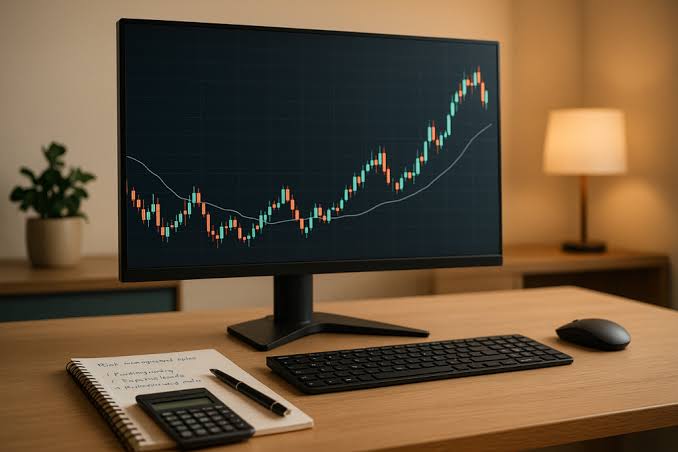
Trading without a risk plan is like sailing without a compass. You might move forward for a while, but eventually, the unpredictable tides of the market will test your resolve. This FAQ-style guide answers the most pressing questions traders ask about protecting their capital, managing exposure, and staying disciplined while using the tradingsphere platform to navigate volatile markets.
Why does risk management matter more than finding winning trades?
Many new traders assume that success comes from picking the right trades every time. In reality, even experienced professionals lose on a significant portion of their positions. What separates long-term survivors from those who burn out quickly is how they handle losses. A single unmanaged loss can erase weeks of gains, while a disciplined approach ensures no single mistake threatens an entire account. Risk management isn’t about avoiding losses altogether; it’s about making sure losses stay small and manageable.
How can traders protect their capital from large losses?
Capital protection starts with setting clear boundaries before entering any position. This means deciding in advance how much of an account balance you’re willing to risk on a single trade, and sticking to that limit regardless of how confident you feel. Stop-loss orders are one of the simplest tools for enforcing this boundary, automatically closing a position once it reaches a predetermined loss threshold. Diversifying across different assets or sectors also reduces the chance that one bad trend wipes out an entire portfolio.
What role does position sizing play in reducing risk?
Position sizing determines how much of your capital is allocated to any given trade, and it’s one of the most overlooked aspects of risk control. Oversized positions can turn a minor market fluctuation into a devastating loss, while undersized positions may limit growth potential. A balanced approach involves calculating position size based on account equity and the distance to a stop-loss level, rather than guessing or trading on impulse. This method keeps exposure consistent across trades, regardless of market conditions.
Why is emotional discipline considered a core risk management skill?
Fear and greed are often blamed for poor trading decisions, and for good reason. Traders who abandon their strategy after a few losses, or who chase gains after a winning streak, tend to make impulsive choices that undermine long-term performance. Discipline means following a predefined plan even when emotions suggest otherwise. This includes respecting stop-losses, avoiding revenge trading after a loss, and not overtrading during periods of high volatility. Building this discipline takes practice, but it becomes easier when traders rely on structured tools that remove some of the guesswork from decision-making.
How does diversification reduce overall portfolio risk?
Concentrating capital in a single asset or sector increases vulnerability to sudden price swings. Diversification spreads risk across multiple instruments, so that a downturn in one area doesn’t disproportionately affect the entire portfolio. This doesn’t mean spreading capital too thin across unrelated assets without a strategy; rather, it involves thoughtful allocation across correlated and uncorrelated markets. Traders who diversify tend to experience smoother equity curves, even if individual trades occasionally underperform.
What practical habits help traders stay consistent over time?
Consistency separates traders who sustain long-term growth from those who experience short bursts of success followed by steep declines. Keeping a trading journal to track decisions and outcomes helps identify patterns, both good and bad. Reviewing past trades regularly, rather than only focusing on the next opportunity, builds self-awareness and sharpens strategy over time. Setting realistic goals, avoiding overleveraging, and maintaining a routine for pre-market analysis all contribute to steadier performance.
How can traders use available tools to reinforce disciplined decision-making?
Modern trading environments often include built-in features designed to support disciplined behavior, such as customizable alerts, risk calculators, and real-time portfolio tracking. These tools don’t replace a trader’s judgment, but they do provide structure that makes it easier to follow a plan consistently. By integrating risk parameters directly into daily workflows, traders reduce the likelihood of impulsive decisions and stay aligned with their broader strategy.
Your Essential Guide to the Tradingsphere Platform
Starting your trading journey can feel overwhelming, especially when you’re unsure which tools will truly support your goals. Many new traders ask the same questions before taking their first step, and getting clear answers early makes all the difference. This guide addresses the most common concerns about getting started, set up in an easy, conversational way so you can move forward with clarity rather than confusion. Along the way, we’ll explore how the tradingsphere platform supports beginners through structured onboarding, intuitive account setup, and resources designed to build genuine trading confidence. Whether this is your very first account or you’re switching from another approach entirely, understanding the onboarding process upfront helps you avoid common early mistakes and start on solid footing.
What should a new trader expect during account setup?
Account setup is typically the first real interaction a trader has with any platform, and first impressions matter. New traders can expect a guided registration process that walks through identity verification, account preferences, and risk profile questions. This structured approach exists to protect traders and ensure the platform understands their experience level before granting full access. Rather than feeling like a hurdle, this stage should feel like a conversation that tailors the experience to individual needs. Clear instructions at each step reduce confusion and help traders avoid skipping important configuration options that could affect their experience later on.
Why does onboarding matter so much for long-term trading success?
Onboarding isn’t just a formality; it shapes how confident and prepared a trader feels in their first weeks. A thoughtful onboarding sequence introduces essential terminology, walks through account dashboards, and highlights where to find educational resources. Traders who skip this phase often struggle later, unsure how to interpret charts or execute their first trades correctly. A well-designed onboarding experience reduces that learning curve significantly, giving newcomers a sense of direction instead of leaving them to figure things out alone. Strong onboarding also builds trust, which matters enormously when someone is placing real capital into unfamiliar territory.
How can beginners choose the right account type?
Choosing an account type depends on individual goals, available time for market research, and comfort with risk. Beginners are generally encouraged to start with accounts that offer demo trading or simulated environments before committing real funds. This allows new traders to practice order execution, explore different asset classes, and understand platform navigation without financial consequences. Taking time to explore account options rather than rushing into a decision often leads to better long-term outcomes, since traders develop habits and strategies that suit their personal risk tolerance from the very beginning.
What resources help traders build confidence early on?
Educational resources play a central role in early trading success. Tutorials, glossaries, and step-by-step guides help translate complex market concepts into digestible lessons. Traders benefit most when these resources are organized logically, starting with foundational concepts before progressing into more advanced strategies. Community forums or support channels also give beginners a place to ask questions and learn from others navigating similar challenges. Combining structured learning materials with practical, hands-on account features creates a well-rounded foundation that supports steady, informed growth rather than guesswork.
How should new traders approach their first few weeks?
The first few weeks after onboarding set the tone for a trader’s overall habits and mindset. It’s wise to start slowly, focusing on understanding the dashboard, exploring available tools, and practicing with smaller trades before scaling up. Keeping a simple journal of decisions and outcomes helps traders recognize patterns in their own behavior over time. Patience during this period pays off, as it allows traders to build genuine competence rather than relying on luck. Treating these early weeks as a learning phase, rather than a race for results, leads to steadier long-term progress.